
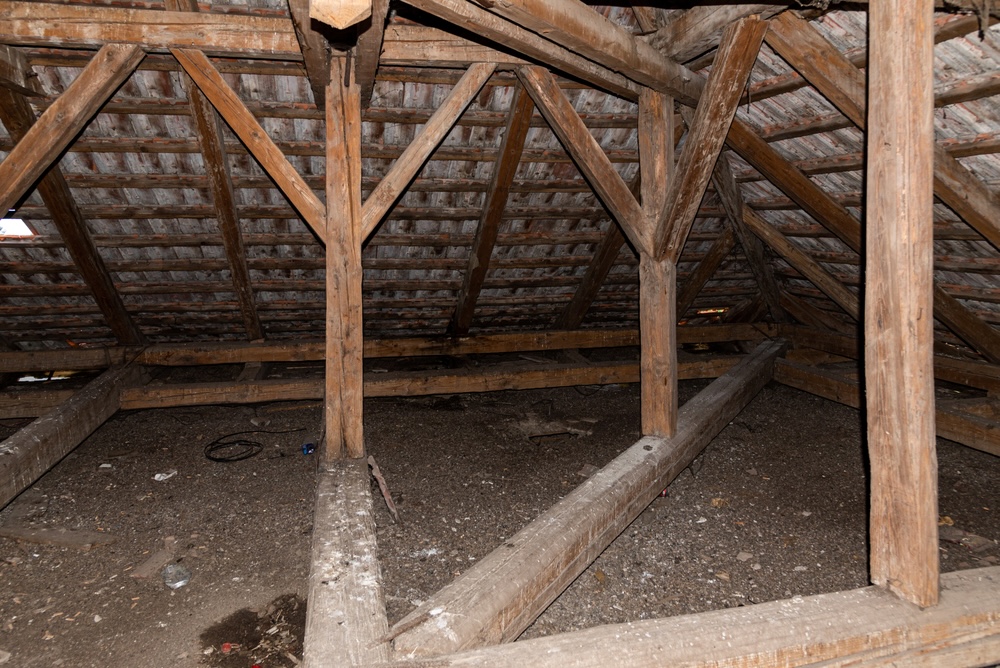
Louisiana’s damp air can cause trouble beneath your home long before you see a stain or feel a soft spot in the floor. Moisture can enter through bare soil, air leaks, and water around the foundation. Over time, it can leave wood damp and make rooms smell musty. Closed cell spray foam helps limit air leaks and moisture movement through the surfaces it covers. With the right plan, PolyCo Spray Foam can help you choose insulation that fits the space beneath your home.
Why Do Louisiana Crawl Spaces Get Damp?
Warm air holds water that you cannot see. When that air enters a cool crawl space, water drops can form on cold surfaces, much like they do on a glass of ice water. This is called condensation. Air leaks and open vents can let damp outdoor air reach cooler wood and pipes. Bare soil also gives off water vapor, even when it looks dry. These sources of crawl space moisture can keep the area damp through long stretches of warm weather.
How Closed Cell Spray Foam Blocks Humid Air
Foam starts as a liquid, expands, and hardens against the surface where it is sprayed. When applied at the proper depth, closed-cell foam insulation forms a layer that helps seal small gaps and joints. This limits the flow of damp air through treated areas. Gaps around the outer edge of the floor can be easy to miss, but they give air a path into the house. Good air sealing closes those paths as part of a plan suited to the crawl space.
Why Its Sealed Cells Help Resist Moisture
The foam has tiny, tightly packed cells that make it dense and firm. This structure gives it moisture resistance and slows the movement of water vapor through the foam. How much it slows that movement depends on the product and its thickness. That makes it different from open cell spray foam, which allows more vapor to pass through. Both types can seal air when installed correctly, but they serve different needs. A damp crawl space needs a choice based on its moisture levels and floor design.
Can It Help Protect Wood Beneath Your Home?
Wood that stays wet can rot, and damp surfaces can support mold growth. By limiting humid air at treated surfaces, foam can help reduce one source of that wetness. Still, wood protection starts before spraying. Leaks must be fixed, damaged wood needs repair, and the surface must be dry enough for the product. Covering wet wood can hide problems and limit its ability to dry. Foam also does not kill existing mold. Any mold growth needs proper attention before insulation goes over the area.
Where Should the Foam Be Installed?
The right location depends on how your crawl space is built. In some raised homes, the plan calls for insulating beneath the floor while leaving the space below outside the home’s cooled area. An enclosed crawl space may need insulation along its outer walls instead. The floor insulation and air seal must work together, with no large gaps left between treated areas. A contractor should also plan for access, required fire protection, and termite inspections. Required inspection areas must stay visible, and flood openings must not be blocked.
Why Foam Needs Other Moisture Controls
Foam cannot stop water from a broken pipe or rain that pools under the house. Those problems need repairs and proper drainage. Water from gutters should flow away from the foundation, and low areas may need work to keep runoff out. Exposed soil also needs a sealed ground vapor barrier to limit moisture rising from the dirt. In an enclosed crawl space, a dehumidifier or a planned supply of conditioned air may be needed. Simply closing vents and spraying foam does not create a complete moisture control system.
What Changes Might You Notice Upstairs?
When air leaks beneath the floor are sealed, rooms above may feel less drafty. Insulation also slows heat flow through the treated parts of the home, which can support more even room temperatures. These changes may help reduce energy waste, though savings depend on the home, the old insulation, and the work completed. Better indoor comfort comes from treating the right areas and solving moisture sources together. If musty smells remain after the work, check for damp soil, leaks, or other wet areas instead of adding more foam.
Get the Right Crawl Space Insulation Plan
A dry crawl space starts with finding where the moisture comes from. PolyCo Spray Foam offers insulation services in Greater Baton Rouge and nearby Louisiana communities. Discuss damp areas, past flooding, and any floor damage before choosing a product or installation plan. Ready to improve the space beneath your home? Request a spray foam insulation estimate to learn whether closed cell foam is a good fit and what preparation your crawl space needs.