
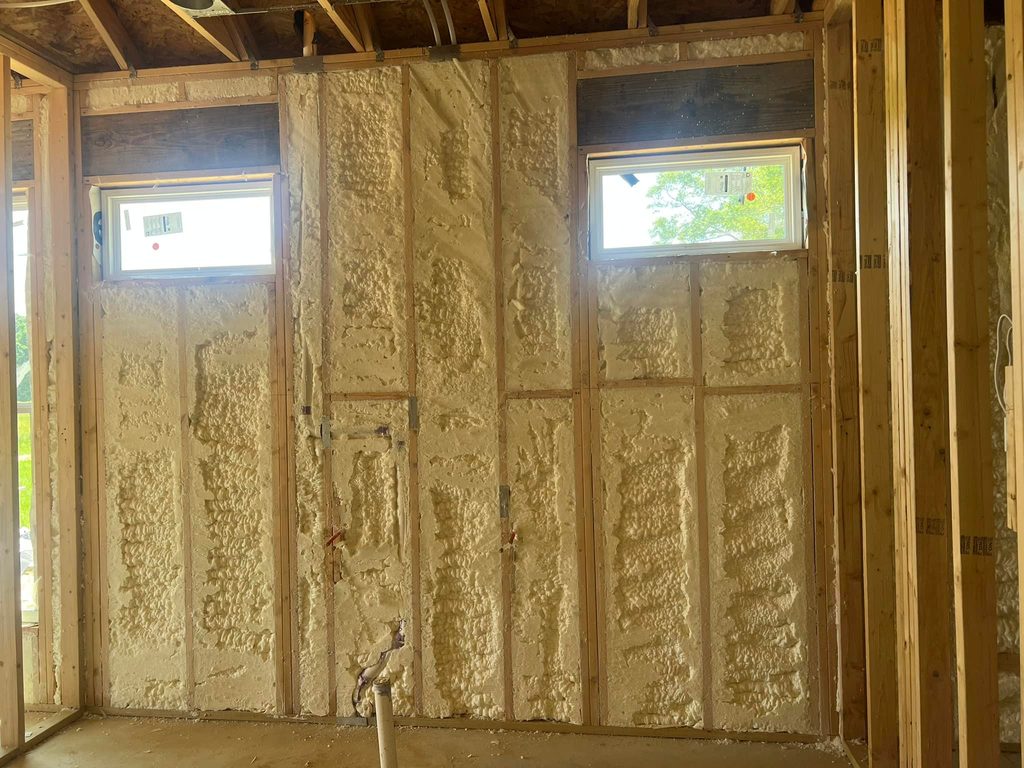
Many homes have fiberglass batts or loose-fill insulation in the attic. When homeowners decide to install spray foam insulation in Slidell, they often ask if the old material can stay. In many cases, removing it is the best choice. Old fiberglass may hold dust, dirt, animal waste, or moisture. Taking it out gives the crew a clean work area and makes it easier to find hidden roof leaks, wood damage, mold, and pest activity. Still, every attic is different, so a trained installer should inspect the old fiberglass insulation before work begins.
Why Old Fiberglass May Need to Be Removed
Fiberglass slows heat, but it does not create a tight air seal. Air can still pass through gaps around pipes, wires, light fixtures, and attic openings. Over time, fiberglass may also fall, shift, or become packed down. When this happens, it may no longer give the home enough protection. Removing worn material lets the crew see the full attic floor and seal areas that were hidden before. It also prevents dirty or wet fiberglass batts from staying inside the home after the new spray foam system is installed.
Spray Foam Changes How the Attic Works
The location of the new foam affects whether the old insulation should stay. Spray foam is often placed under the roof deck to create a sealed attic. This moves the attic into the protected part of the home. If fiberglass remains on the attic floor, it creates two insulation layers in two different places. That setup may block heating and cooling from reaching the attic as planned. Removing the floor insulation allows the sealed space to work as one area. A proper attic air seal can then help control heat, moisture, and air loss through the roof deck.
Wet or Damaged Fiberglass Should Not Stay
Fiberglass can lose much of its value after it gets wet. Roof leaks, high humidity, and poor attic airflow can leave the material damp. Wet insulation may smell bad and support mold growth on nearby wood or paper. Rodents and insects can also leave waste or nesting material inside it. Covering these problems does not make them go away. The damaged material should be removed, and the source of the moisture or pests should be fixed before the foam is applied. A clean and dry surface helps the spray foam bond well and protects the home from future moisture damage.
When Fiberglass May Be Left in Place
Not every project calls for full removal. If spray foam is being added inside an open wall during a remodel, clean fiberglass in another part of the home may not affect the work. Fiberglass may also remain when the foam and the old material are part of a planned insulation design. The installer must check where each layer sits and how air and moisture will move through the space. Leaving insulation without checking the full setup can trap moisture or create weak areas. A professional inspection will show whether the existing insulation layer can safely work with the new foam application.
Removal Helps the Crew Inspect the Attic
An empty attic floor makes it easier to spot problems that need repair. The crew can check electrical wires, recessed lights, plumbing lines, vents, and damaged wood. They can also seal small openings that let hot outdoor air enter the home. This work helps the foam deliver better results once it is installed. It may also help prevent dust and outdoor allergens from moving into living areas. A clear work surface supports a neat installation and gives the crew access to the places that need a strong air barrier and lasting attic protection.
A Clean Start Can Improve Long-Term Results
Spray foam can stay in place for many years when it is applied to a clean, dry surface at the right thickness. It does not settle like loose fiberglass, and it fills small cracks that other materials may miss. This can help rooms feel more even, reduce strain on the air conditioner, and limit humid air entering the home. For Louisiana homes, these benefits can make a real difference during long, hot summers. Starting with a clean attic helps homeowners get better value from spray foam insulation in Slidell and supports lasting energy savings.
Ask Polyco to Inspect Your Existing Insulation
The safest answer depends on the age of your insulation, its condition, and where the new foam will be installed. Polyco can inspect your attic, explain what should be removed, and recommend the right foam for your home. The team works with both open-cell and closed-cell products for homes and buildings across Louisiana. Contact Polyco today to request an estimate and learn how a professional insulation inspection can prepare your property for dependable spray foam installation.