
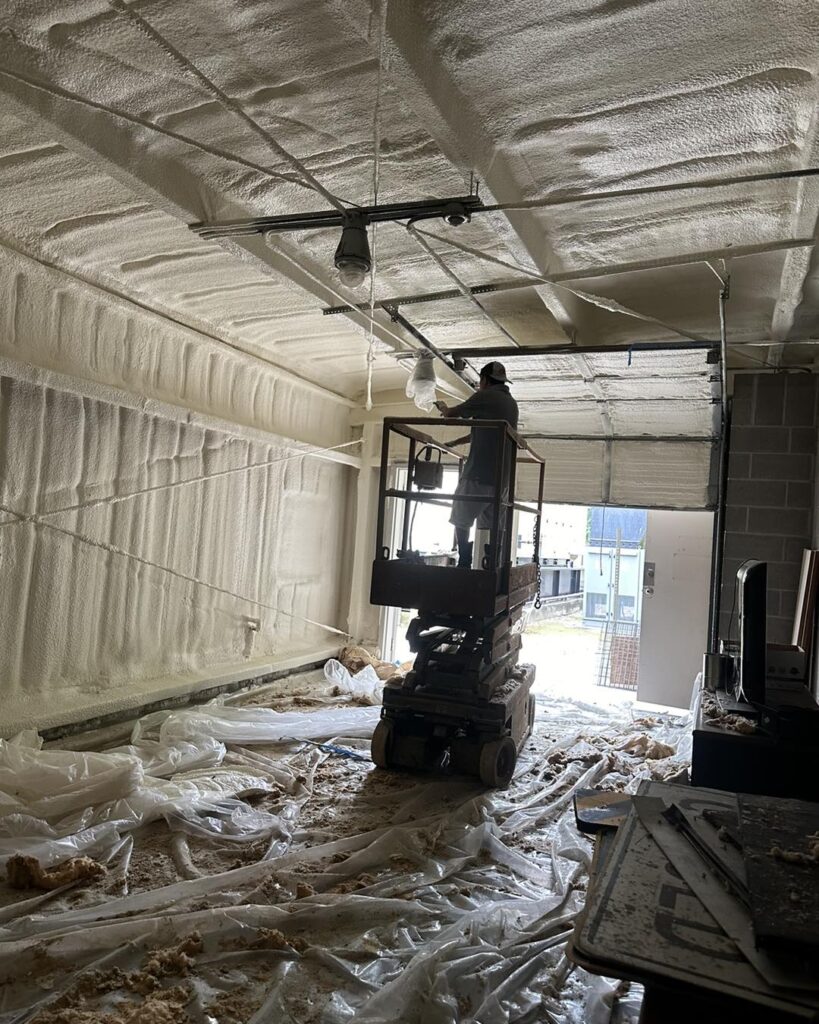
Seasonal pollen, dust, mold spores, and humid air can enter a Louisiana home through small cracks and gaps. These particles may bother people with allergies or other breathing problems. Professional spray foam insulation in Slidell creates an air seal that can limit the amount of outdoor air and airborne particles entering the home. It does not cure allergies or replace proper ventilation and filtration, but it can support cleaner indoor air.
Air Leaks Can Carry Allergens into Your Home
Many homes have small openings around the attic, roofline, walls, plumbing, wiring, and air ducts. These gaps allow outdoor air to move inside. That air may carry pollen, dust, mold spores, and other particles. Once indoors, the particles can settle on furniture, floors, bedding, and other surfaces.
Homes in Slidell, St. Francisville, Central, Lafayette, Walker, and Denham Springs face long periods of heat and humidity. Air conditioners run often, which can create pressure changes that pull unfiltered outdoor air through weak areas in the home. Sealing these openings helps reduce the number of uncontrolled paths available to airborne allergens.
Spray Foam Creates a Strong Air Seal
Spray foam insulation begins as a liquid and expands after it is applied. It fills small cracks, seams, and spaces that may be difficult to seal with traditional insulation. Once cured, the foam forms a continuous air barrier across the treated surface.
This barrier limits outdoor air from moving through attics, walls, and crawl spaces. With fewer air leaks, less pollen and dust may enter the home through hidden gaps. Families using spray foam insulation in Slidell may also notice fewer drafts and more stable indoor temperatures.
The home still needs planned ventilation to bring in fresh air. The benefit of spray foam is that it reduces uncontrolled airflow. Fresh air can then enter through a managed system where it can be filtered before moving through the house.
Better Humidity Control Can Reduce Mold Risk
Louisiana’s high humidity can affect indoor air quality. Damp air entering the attic or walls may create conditions that allow mold to grow. Mold can release spores into the air, which may bother people who have allergies or breathing sensitivities.
By sealing air leaks, spray foam insulation can reduce the amount of humid outdoor air entering the home. This may help the air conditioner and dehumidifier maintain better indoor humidity levels. Drier building materials are also less likely to support mold growth.
Spray foam cannot repair an active roof leak or remove existing mold. Water leaks must be fixed, and mold should be handled by a qualified professional before insulation is installed.
A Sealed Attic Can Keep Dust Out of Living Areas
Attics often contain dust, old insulation fibers, pest debris, and other unwanted particles. Air leaks around ceiling lights, attic doors, wiring, and ducts can allow these particles to move into rooms below.
Applying attic spray foam insulation along the roofline or other planned areas can reduce air movement between the attic and living space. It may also help keep old attic dust from entering through ceiling gaps. This can support a cleaner home, especially when paired with regular cleaning and a properly maintained HVAC filter.
The old insulation and attic conditions should be inspected before the foam is installed. Wet, dirty, or damaged materials may need to be removed first.
Spray Foam Helps the HVAC System Work More Effectively
A leaky home makes the heating and cooling system work harder. Air can escape through gaps while humid outdoor air enters. This may cause the system to run longer without fully controlling temperature or moisture.
A strong air seal helps keep conditioned air inside. More stable temperatures and humidity can make the home feel more comfortable in communities such as Lafayette, Walker, Central, and Denham Springs. It can also help the HVAC system move filtered air through the home with less interference from uncontrolled outdoor airflow.
Homeowners should continue changing their filters as directed. People with allergies may benefit from discussing filter choices with an HVAC professional, since filters that are too restrictive can affect some systems.
Proper Installation Supports Healthy Indoor Air
Spray foam must be installed and cured correctly. The work area should be prepared, and the home may need to remain empty during installation and for the time required by the product and installer. Once the foam has cured, the sealed home needs the right balance of ventilation, filtration, and humidity control.
A trained installer can check the attic or crawl space, choose between open-cell and closed-cell spray foam, and apply the correct thickness. The installer should also review combustion appliances and HVAC equipment located inside the treated area. Proper planning helps the insulation perform as part of the full home system.
Improve Your Home’s Air Seal with Polyco Spray Foam
People with allergies cannot avoid every indoor trigger, but reducing unfiltered air leaks can help create a cleaner living space. Spray foam insulation in Slidell can limit the entry of pollen, dust, humid air, and other outdoor particles while improving temperature control.
Contact Polyco Spray Foam to request an estimate for your property. Their team provides professional spray foam insulation in Slidell, St. Francisville, Central, Lafayette, Walker, Denham Springs, and nearby Louisiana communities.