
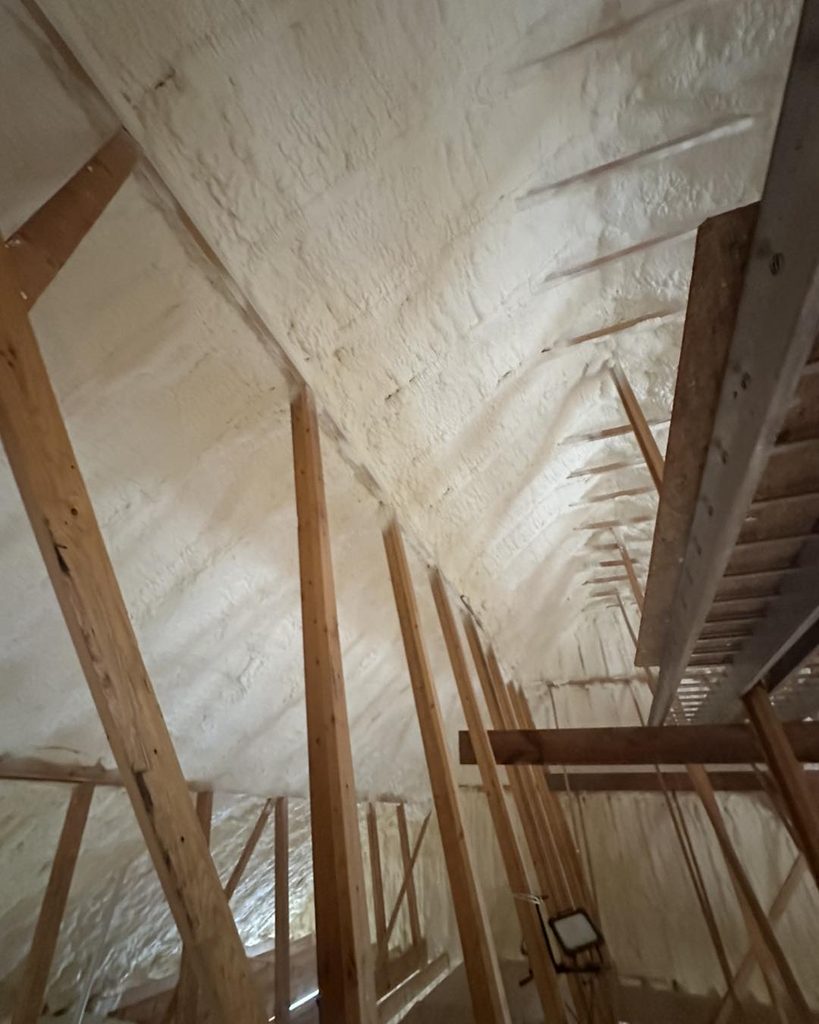
A hot attic can make your air conditioner work much harder. During a Baton Rouge summer, the temperature inside a vented attic may rise far above the outdoor temperature. That heat can move into the rooms below and warm up air ducts that run through the attic. A sealed attic system helps reduce this heat gain, which may lead to lower energy bills.
What Is a Sealed Attic System?
A traditional attic usually has insulation on the attic floor and vents near the roof. These vents allow outdoor air to move through the space. In a sealed attic, spray foam is applied to the underside of the roof deck and along key gaps. The attic vents are closed, and the thermal barrier moves from the attic floor to the roofline.
This method brings the attic inside the building’s protected shell. The attic may not feel exactly like the rooms below, but its temperature and humidity should stay closer to the indoor conditions. By using spray foam insulation in Baton Rouge, property owners can limit the amount of hot, humid air entering through roof vents, cracks, and seams.
Your Air Conditioner May Run Less Often
When outdoor heat enters a building, the air conditioner must run longer to maintain the set temperature. A sealed attic slows this heat movement at the roof. Less heat enters the rooms below, so the cooling system may reach the set temperature faster and cycle less often. This can reduce cooling costs and place less strain on the air conditioner.
The amount saved will be different for every property. The size of the building, age of the cooling system, condition of the ductwork, indoor temperature setting, and quality of the foam installation all affect energy use. A sealed attic may not lower a bill by the same amount each month, but it can reduce summer heat gain and energy waste.
Ductwork Is Protected From Extreme Attic Heat
Many homes and commercial buildings have air ducts in the attic. In a vented attic, these ducts may sit in very hot air for hours each day. Even insulated ducts can absorb some heat. Small duct leaks may also pull hot attic air into the cooling system or release cooled air before it reaches the rooms below.
A sealed attic surrounds the ductwork with a more stable environment. This helps the cool air inside the ducts stay closer to the desired temperature. The cooling system does not need to replace as much lost energy, which may improve HVAC efficiency and reduce electricity use.
Air Leaks Are Reduced
Small gaps around pipes, wires, framing, light fixtures, and wall tops can allow air to move between the attic and the rooms below. Cooled indoor air may escape through these openings while hot air moves inside. Traditional insulation can slow heat flow, but it does not always stop air leakage.
Spray foam expands after it is applied, allowing it to fill many small cracks and openings. This creates a strong air seal across the roofline. With less uncontrolled air movement, indoor temperatures can stay more even, and the cooling system may not need to run as long.
Humidity Control Can Support Energy Savings
Baton Rouge has hot and humid weather for much of the year. When humid outdoor air enters an attic, the cooling system must remove both heat and moisture. This extra work can raise energy use. High indoor humidity may also make a room feel warmer, causing people to lower the thermostat.
A properly installed sealed attic limits the amount of outdoor moisture entering the space. Better humidity control can help the building feel more comfortable without setting the thermostat as low. The HVAC system may also spend less time removing excess moisture from the air.
Heating Bills May Improve During Cooler Weather
A sealed attic can provide benefits during winter as well. Warm indoor air naturally rises and may escape through gaps near the ceiling and roof. Spray foam helps keep this heated air inside the building. It also slows cold outdoor air from entering through attic vents and reduces heat loss.
Baton Rouge winters are usually mild, but heating systems still use energy during cold nights. Better attic insulation may help indoor temperatures stay more stable. The largest savings may happen during summer, but reduced air leakage can support better year-round efficiency.
Proper Installation Affects the Results
A sealed attic must be planned for the building. Roof leaks should be repaired before foam is installed, and the roof deck must be clean and dry. The correct foam type and application depth must also be used. Poor installation can leave insulation gaps that allow heat and humid air to enter.
The HVAC system, ducts, combustion equipment, and ventilation needs should be reviewed as part of the project. A sealed attic changes how air moves through the building, so each part must work with the new system. Professional spray foam installation helps provide lasting air-sealing performance.
Create a More Energy-Efficient Attic With Polyco Spray Foam
A sealed attic can reduce heat gain, protect ductwork, control air leaks, and help the cooling system run more efficiently. These changes may lower monthly energy bills while improving indoor comfort. The final savings depend on the property and how much energy was being lost before the work.
Polyco Spray Foam installs spray foam insulation in Baton Rouge for homes and commercial properties. Contact our team today to request an estimate and learn if an energy-efficient sealed attic is a good fit for your building.