
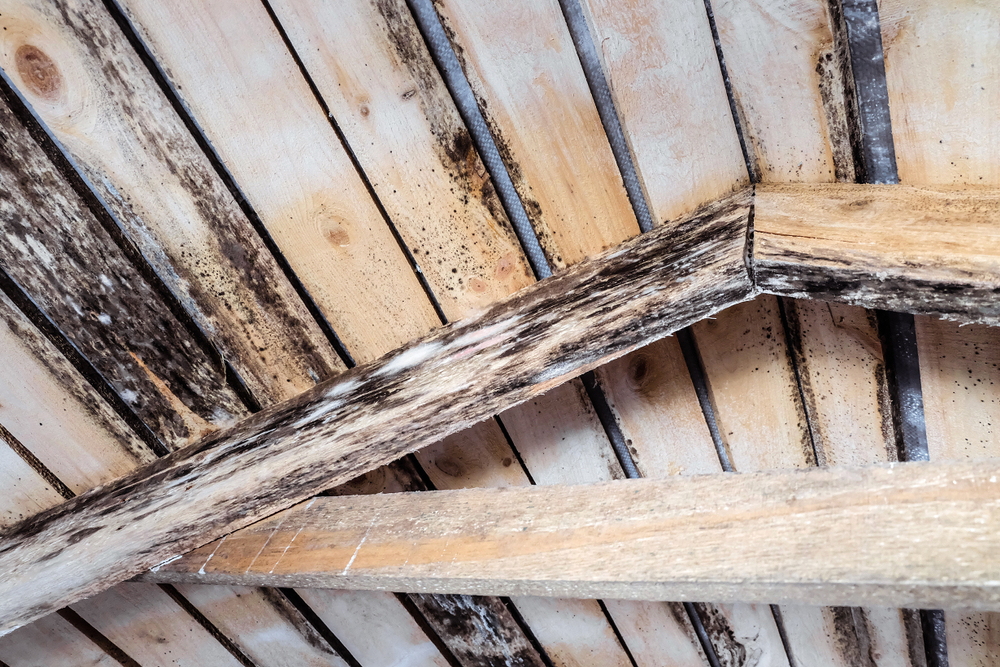
Louisiana’s heat and humidity can put the wood in your attic at risk. Warm, damp air may enter through small gaps around the roof, ceiling, pipes, and wiring. When attic wood stays wet for too long, wood rot can begin. Professional spray foam insulation in Covington helps protect roof decking, rafters, and framing by sealing air leaks and reducing the moisture that enters the attic.
Wood Rot Begins with Too Much Moisture
Wood rot is caused by fungi that grow in damp wood. Roof decking and rafters may be at risk when their moisture levels remain high for a long time. The wood may become soft, weak, cracked, or darker in color. A musty smell can also point to excess moisture in the attic.
Covington receives high humidity and heavy rain during much of the year. Small roof leaks, poor air sealing, and damp outdoor air can all raise attic moisture. If these problems are not corrected, the wooden parts of the roof may slowly lose their strength.
Spray Foam Blocks Humid Air from Entering
Small gaps can allow humid outdoor air to move into the attic. Fiberglass and other traditional insulation may slow heat transfer, but they do not always stop air leakage. Spray foam insulation expands when applied, allowing it to fill cracks, seams, and narrow spaces.
Once the foam cures, it forms a continuous air barrier. This barrier limits the amount of warm, damp air that enters the attic. Reducing this airflow helps keep wooden surfaces drier, giving fungi fewer chances to grow and cause attic wood rot.
A Sealed Attic Has Better Moisture Control
Humidity can damage an attic even when there is no visible roof leak. Damp air may enter during the day and leave moisture on cooler surfaces. This process is known as condensation. Repeated condensation can keep roof decking and framing damp enough for rot to develop.
Properly installed spray foam helps create a more controlled attic space. It limits sudden changes in temperature and reduces the meeting of warm air with cooler surfaces. When paired with a properly designed HVAC system, the air seal can help maintain safer humidity levels throughout the attic.
Closed-Cell Foam Resists Water Movement
Closed-cell spray foam has a dense and rigid structure. It resists water movement and bonds firmly to the surface where it is applied. These features can make it a good choice for parts of a building that face higher moisture levels.
Closed-cell foam can also add rigidity to roof decking because it bonds directly to the wood. Still, it is not a repair for damaged or rotten materials. Any weak wood must be inspected and repaired before insulation is installed.
Open-cell spray foam also creates a strong air seal, but it allows more water vapor to pass through than closed-cell foam. The right product depends on the attic, roof type, HVAC design, and local building needs.
Spray Foam Does Not Repair a Leaking Roof
Spray foam reduces moisture caused by air leakage, but it should not be used to cover an active roof leak. Water entering through damaged shingles, flashing, vents, or roof decking must be stopped first. Plumbing leaks and poor bathroom ventilation also need to be corrected before installation.
Applying foam over wet or damaged wood may trap moisture and hide the signs of a larger problem. The attic surfaces should be clean, dry, and free of active rot before work begins. If wood rot is already present, a qualified contractor should check the damaged area and decide if any materials need replacement.
Professional Installation Protects the Roof System
The performance of attic spray foam insulation depends on correct installation. The foam must be mixed properly and applied at the right thickness. Gaps, thin areas, or poor adhesion may allow humid air to keep reaching the wood.
A trained installer also checks how sealing the attic may affect ventilation, air conditioning equipment, and combustion appliances. These parts must work safely within the new attic setup. Careful planning creates an effective building envelope that manages heat, air, and moisture as one complete system.
Help Keep Your Covington Attic Dry
Keeping attic wood dry is one of the best ways to lower the risk of wood rot, mold, and roof damage. By filling gaps and reducing humid airflow, spray foam insulation in Covington can help protect your roof decking and framing from Louisiana’s damp climate.
If your attic feels humid or your current insulation has weak areas, contact Polyco Spray Foam. Their team can inspect the space, explain the available foam options, and provide an estimate for professional spray foam insulation installation.