
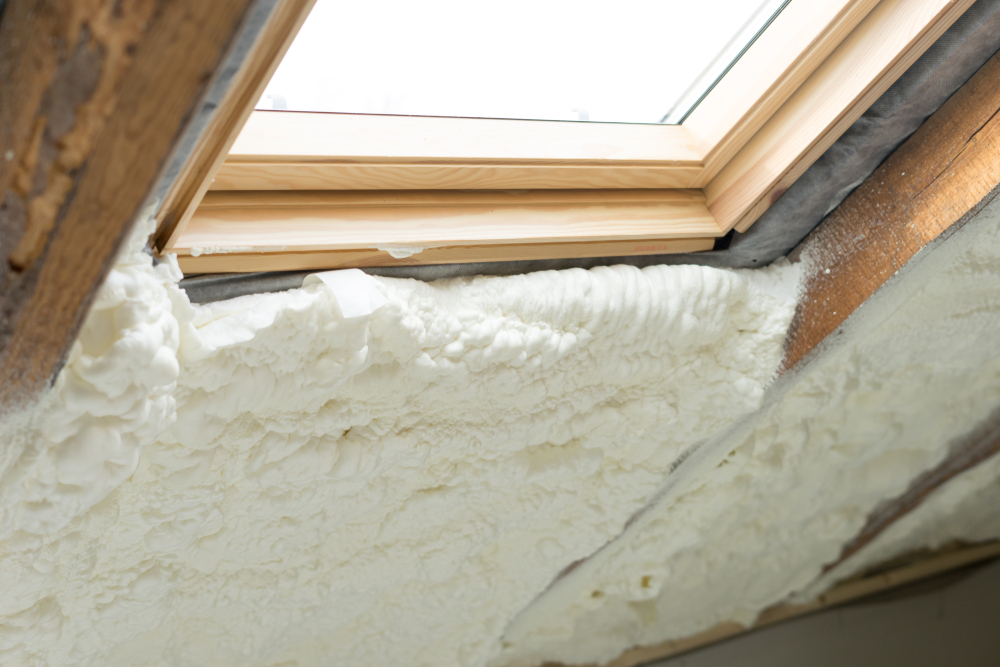
Strong storms are part of life in South Louisiana. Heavy rain, powerful winds, and hurricanes can put a lot of stress on your roof. While no insulation can make a roof storm-proof, spray foam insulation in New Orleans can help improve the overall strength of your roof system. When installed correctly, it can increase the bond between roofing materials and the structure below, helping your roof perform better during high winds.
How Spray Foam Becomes Part of Your Roof
Unlike traditional insulation, spray foam insulation is applied as a liquid that quickly expands and hardens. As it cures, it sticks tightly to the roof deck, wood, metal, or other building materials. This creates a continuous layer without gaps or loose sections.
Because the foam bonds directly to the surface, it helps tie roofing materials together. This added adhesion can increase the roof’s resistance to movement when strong winds push and pull against it.
Closed Cell Spray Foam Offers the Greatest Strength
There are two main types of spray foam: open cell and closed cell. While both provide excellent air sealing and energy efficiency, closed cell spray foam is much denser.
Its rigid structure adds stiffness to the roof assembly. Studies have shown that closed cell foam can increase the racking strength of walls and roof systems because it bonds materials together. Although it is not a replacement for proper framing or hurricane-rated construction, it can provide added support during severe weather.
For this reason, many homeowners choose closed cell spray foam insulation in New Orleans, where high winds are a regular concern.
A Strong Bond Helps Reduce Roof Movement
During a windstorm, roofing materials can lift slightly as air pressure changes. Small movements repeated over time may weaken fasteners and joints.
Because spray foam insulation creates a solid bond with the roof deck, it helps reduce that movement. A more stable roof system may be better able to handle repeated wind pressure than one with loose insulation that does not attach to the structure.
This added stability also helps maintain the performance of the insulation for many years.
Better Air Sealing Helps During Storm Season
Strong winds do more than push against your roof. They also force outside air into every small crack and opening around your home.
Spray foam insulation seals many of these gaps, helping reduce unwanted air leaks. This makes it easier for your HVAC system to keep your home comfortable, even after severe weather passes.
The airtight seal also helps keep humid outdoor air from entering your attic, reducing the chance of condensation, mold, and moisture damage.
Spray Foam Is Only One Part of a Strong Roof
Even though spray foam insulation can add strength, it should never replace proper roof construction. Your roof still needs quality framing, secure fasteners, durable roofing materials, and regular inspections.
Think of spray foam insulation in New Orleans as another layer of protection. It improves insulation, seals air leaks, helps manage moisture, and can make the roof assembly more rigid.
When combined with a well-built roofing system, it gives homeowners added confidence during storm season.
Long-Term Benefits Beyond Storm Protection
Many people choose spray foam insulation because of its year-round benefits. It helps lower energy bills, reduces outside noise, improves indoor comfort, and keeps your home at a more consistent temperature.
Since your HVAC system does not have to work as hard, you may also reduce wear on your heating and cooling equipment. These benefits continue long after storm season ends.
Protect Your Home with Professional Spray Foam Installation
If you want insulation that does more than control indoor temperatures, spray foam insulation in New Orleans is a smart investment. Closed cell spray foam insulation can improve your home’s energy efficiency, help reduce air leaks, manage moisture, and add extra strength to your roof assembly during high winds.
Contact Polyco Spray Foam today to learn how professionally installed spray foam insulation can help protect your home while improving comfort and lowering energy costs throughout the year.