
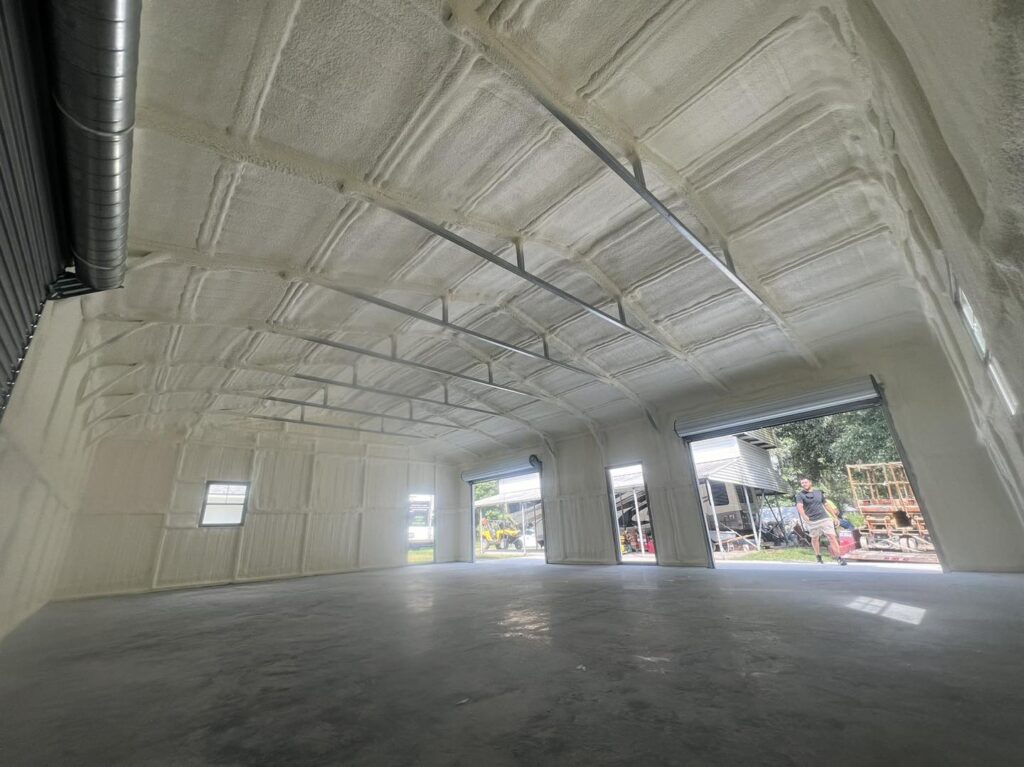
Spray foam insulation is one of the most effective solutions for improving energy efficiency and controlling moisture when installed correctly. However, problems can arise when key steps are overlooked during planning or application. At Polyco Spray Foam, we often help homeowners understand why moisture and mold issues appear after insulation work has been completed — and in most cases, the insulation itself isn’t the problem. For homeowners considering or already using spray foam insulation in Baton Rouge, knowing these common mistakes can help protect your home and your investment.
Ignoring Existing Moisture Problems
One of the biggest mistakes that leads to mold after spray foam insulation is ignoring pre-existing moisture issues. Leaks from roofs, plumbing, or foundations must be addressed before insulation is installed. If spray foam is applied over damp surfaces or areas with hidden water intrusion, moisture can become trapped within the structure.
Spray foam is designed to seal and insulate, not to dry out active moisture problems. When existing water issues are sealed in, the conditions for mold growth remain — regardless of how advanced the insulation material is.
Skipping a Proper Home Assessment
A thorough inspection is essential before any spray foam insulation project begins. Failing to evaluate ventilation, humidity levels, and airflow patterns can result in moisture buildup over time. Homes in humid climates like Baton Rouge are especially vulnerable when these factors are overlooked.
Without a professional assessment, insulation may be installed in areas that require additional moisture control measures, increasing the risk of condensation and mold development. Proper planning ensures that the insulation system works with the home’s design rather than against it.
Poor Ventilation Planning
Another common mistake is assuming that spray foam insulation alone will handle all moisture concerns. While spray foam significantly reduces air leakage, it also tightens the building envelope. Without proper ventilation, humidity can build up indoors, especially in kitchens, bathrooms, and laundry areas.
Inadequate airflow allows moisture to linger, creating an environment where mold can thrive. Balanced ventilation and properly designed HVAC systems are critical to maintaining healthy humidity levels after installation.
Choosing the Wrong Type of Spray Foam
Not all spray foam products perform the same when it comes to moisture control. Selecting open-cell or closed-cell foam without considering the application area can lead to problems. Open-cell foam allows moisture vapor to pass through, while closed-cell foam acts as a vapor barrier.
For certain areas — such as crawl spaces, basements, or exterior walls — using the wrong type can increase moisture exposure. Homeowners investing in spray foam insulation in Baton Rouge should rely on experienced professionals to recommend the right product for each space.
Improper Installation Techniques
Even high-quality materials can fail when applied incorrectly. Uneven application, gaps, or insufficient thickness can create areas where moisture and air infiltration still occur. These weak points allow condensation to form, which may eventually lead to mold growth behind walls or ceilings.
Professional installation ensures consistent coverage and proper sealing, reducing the risk of moisture-related issues over time.
Failing to Address Drainage and Exterior Conditions
Moisture problems don’t always start inside the home. Poor exterior drainage, clogged gutters, or improper grading around the foundation can allow water to collect near the structure. If these issues aren’t resolved, moisture can migrate into insulated areas.
Even the best spray foam insulation cannot compensate for ongoing exterior water exposure. Addressing drainage and water management is a crucial step in preventing long-term mold concerns.
Overlooking Post-Installation Humidity Control
After insulation is installed, indoor humidity levels often change. Some homeowners make the mistake of not adjusting their HVAC systems or adding dehumidification when needed. This can result in excessive moisture inside the home, especially during warmer months.
Monitoring and controlling humidity after installation is just as important as the insulation process itself. Proper moisture management helps preserve indoor air quality and prevents mold from forming.
The Importance of Professional Expertise
Most moisture and mold issues linked to spray foam insulation stem from installation errors or overlooked building conditions — not the foam itself. Working with an experienced contractor ensures that every step, from inspection to application, is handled correctly.
At Polyco Spray Foam, we take a comprehensive approach to every project, ensuring homes remain comfortable, energy-efficient, and protected against moisture problems.
Final Thoughts
Spray foam insulation is a powerful solution for moisture control when installed properly, but mistakes can compromise its performance. Ignoring moisture issues, poor ventilation planning, and improper installation are some of the most common causes of post-installation mold problems. With expert guidance and attention to detail, these risks can be avoided.
If you’re planning or already have spray foam insulation in Baton Rouge and want to ensure your home stays dry, efficient, and mold-free, contact Polyco Spray Foam today. Our team is ready to help you avoid costly mistakes and enjoy the full benefits of professionally installed spray foam insulation.