
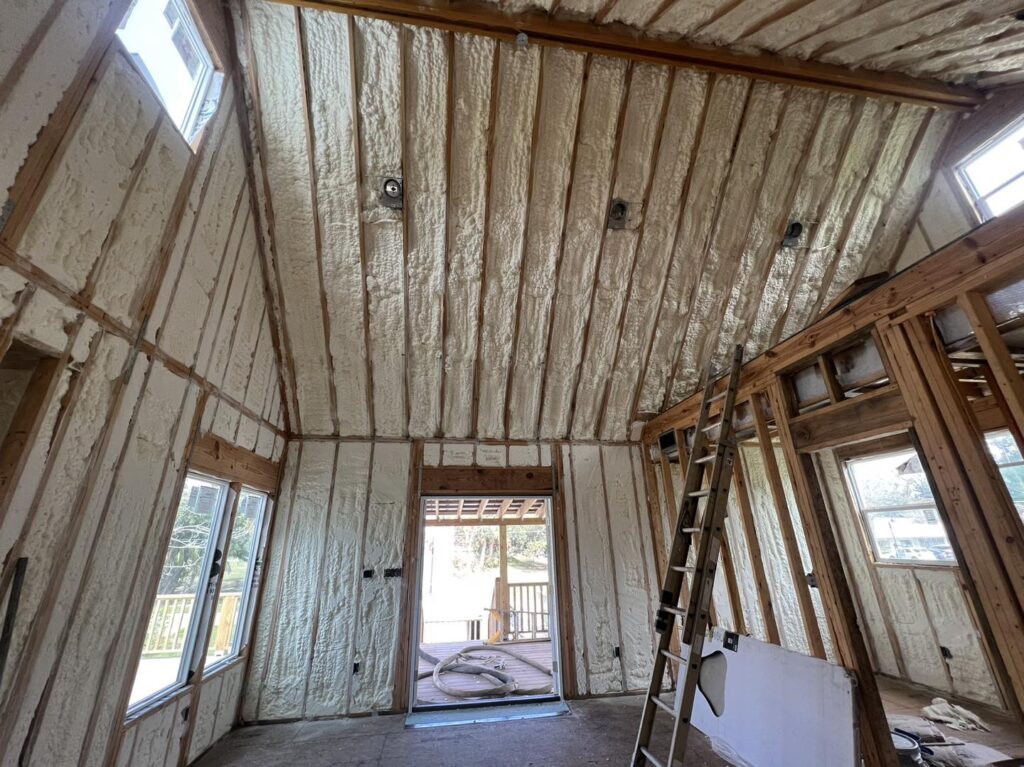
Installing spray foam insulation is a smart investment for improving comfort, energy efficiency, and moisture control. However, insulation alone is not the final step in protecting your home from mold. After installation, ongoing maintenance and proper home management play a critical role in keeping moisture under control. At Polyco Spray Foam, we educate homeowners on how to maintain a healthy indoor environment long after their spray foam insulation in Baton Rouge is complete.
Understand How Insulation Changes Your Home
Once spray foam insulation is installed, your home becomes more airtight. This is a major advantage for energy savings, but it also means moisture behaves differently inside the house. Warm air, humidity, and everyday activities such as cooking, showering, and laundry can increase indoor moisture levels.
Understanding this change helps homeowners take proactive steps to prevent condensation and mold growth. A tighter home requires balanced airflow and proper humidity control to remain healthy.
Maintain Proper Indoor Humidity Levels
One of the most effective ways to prevent mold is to keep indoor humidity within a safe range. Ideally, humidity levels should remain between 30% and 50%. Excess moisture in the air can settle on surfaces and create ideal conditions for mold to grow, even in well-insulated homes.
Using dehumidifiers, maintaining your HVAC system, and monitoring humidity levels are especially important in humid climates like Baton Rouge. Homes with spray foam insulation in Baton Rouge benefit greatly from consistent moisture management throughout the year.
Ensure Proper Ventilation Throughout the Home
Ventilation is essential after insulation installation. Bathrooms, kitchens, and laundry rooms produce high levels of moisture that must be vented outdoors. Exhaust fans should be properly sized, functional, and used regularly to prevent humidity buildup.
Whole-home ventilation systems can also help maintain balanced airflow, especially in tightly sealed homes with spray foam insulation. Fresh air exchange helps remove excess moisture while improving indoor air quality.
Inspect for Leaks and Water Intrusion Regularly
Even with high-quality spray foam insulation, water intrusion can still occur from exterior sources. Roof leaks, plumbing issues, and foundation cracks can introduce moisture that leads to mold if not addressed quickly.
Regular inspections allow homeowners to catch small issues before they become major problems. Keeping gutters clear, checking flashing around windows and doors, and monitoring crawl spaces and attics helps protect insulated areas from moisture damage.
Keep HVAC Systems Clean and Efficient
Your HVAC system plays a major role in controlling temperature and humidity. Dirty filters, clogged drain lines, or improperly sized equipment can allow moisture to build up indoors. Routine maintenance ensures your system removes humidity efficiently and circulates air properly.
Homes with spray foam insulation often require HVAC systems that are correctly sized for the tighter building envelope. Proper airflow and moisture removal are essential for long-term mold prevention.
Monitor High-Risk Areas
Certain areas of the home are more prone to moisture and mold, even after insulation. Crawl spaces, basements, attics, and exterior walls should be monitored regularly for signs of condensation or dampness.
Closed-cell spray foam provides excellent moisture resistance in these areas, but ongoing observation ensures early detection of potential issues. Addressing moisture quickly prevents mold from spreading and damaging surrounding materials.
Avoid Blocking Airflow
Furniture, storage items, or insulation accessories placed too close to walls can restrict airflow. Limited circulation allows moisture to linger, increasing the risk of mold growth behind walls or in corners.
Maintaining clear airflow paths throughout the home supports even temperature distribution and moisture control. This is especially important in homes with spray foam insulation in Baton Rouge, where humidity levels can fluctuate seasonally.
Address Problems Immediately
One of the most important best practices is acting quickly when moisture issues arise. Musty odors, condensation, or visible water stains should never be ignored. Prompt repairs and moisture removal help prevent mold from becoming a larger problem.
Spray foam insulation works best when paired with attentive home maintenance and timely problem-solving.
Final Thoughts
Spray foam insulation is a powerful tool for preventing moisture intrusion and improving indoor comfort, but long-term mold prevention requires smart habits and regular upkeep. By controlling humidity, ensuring proper ventilation, maintaining HVAC systems, and addressing leaks early, homeowners can enjoy the full benefits of their insulation without worrying about mold.
If you’ve recently installed or are planning spray foam insulation in Baton Rouge and want expert advice on protecting your home, contact Polyco Spray Foam today. Our team is here to help you maintain a healthier, more comfortable, and mold-free home for years to come.