
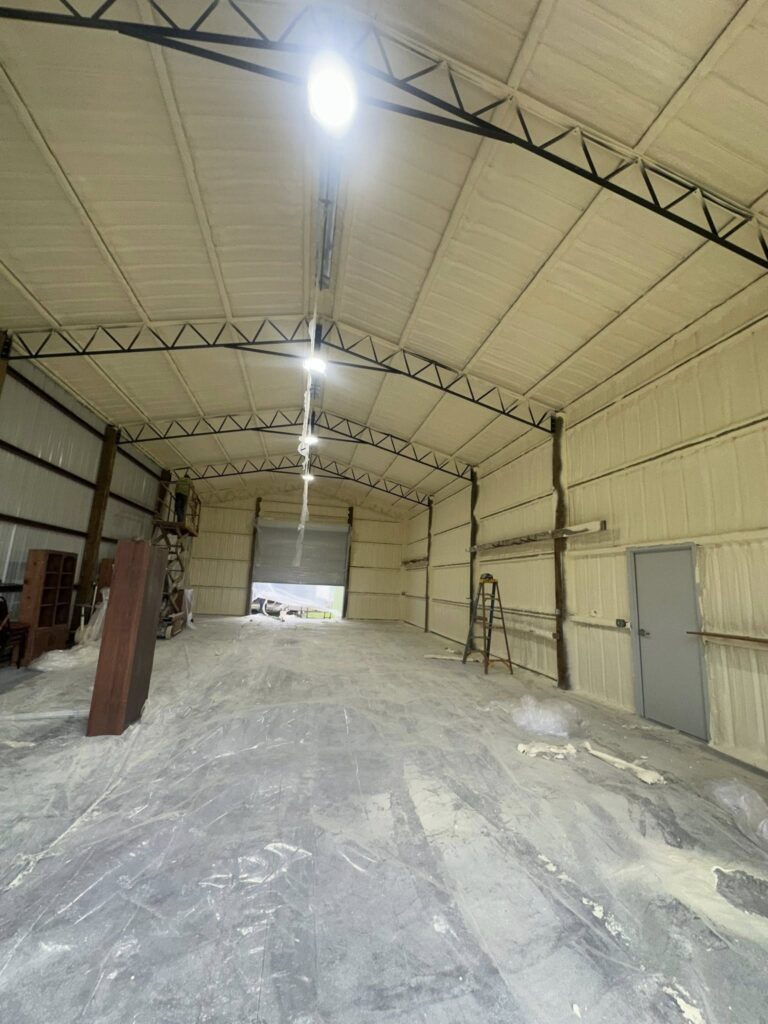
When homeowners start researching spray foam insulation, one of the most common questions we hear at Polyco Spray Foam is whether closed-cell or open-cell spray foam is better for preventing mold. This is an especially important topic for homeowners investing in spray foam insulation in Baton Rouge, where high humidity levels can create ideal conditions for moisture-related issues. Understanding the differences between these two insulation types can help you make a smarter decision for long-term comfort, durability, and indoor air quality.
Why Mold Prevention Matters in Insulation
Mold thrives in environments where moisture, warmth, and limited airflow exist. In humid climates, controlling moisture inside walls, attics, and crawl spaces is critical. Insulation plays a major role in how moisture moves — or doesn’t move — through your home. Choosing the right spray foam insulation can significantly reduce the chances of trapped humidity and condensation that lead to mold growth.
Both closed-cell and open-cell spray foam offer advantages, but their performance differs when it comes to moisture resistance and vapor control.
What Is Open-Cell Spray Foam?
Open-cell spray foam insulation is a lighter, less dense material with a spongy texture. Its structure allows air to fill small pockets within the foam, which makes it flexible and excellent for sound absorption. Because of this permeability, open-cell foam allows moisture vapor to pass through rather than trapping it.
This can be beneficial in certain applications, as it lets building assemblies dry naturally if moisture enters the space. However, open-cell foam does not act as a vapor barrier on its own. In humid environments like Baton Rouge, this means moisture control relies heavily on proper ventilation and humidity management within the home.
Mold Considerations with Open-Cell Foam
Open-cell spray foam itself does not feed mold, but because it allows moisture vapor movement, it must be installed thoughtfully. If humidity levels remain high or if ventilation is inadequate, moisture can linger in surrounding materials such as wood framing or drywall. When moisture problems already exist, open-cell foam alone may not provide enough protection without additional moisture-control strategies.
For homeowners focused on spray foam insulation in Baton Rouge, open-cell foam can still be effective when paired with proper HVAC sizing, dehumidification, and professional installation.
What Is Closed-Cell Spray Foam?
Closed-cell spray foam insulation is denser, more rigid, and significantly more moisture-resistant. Its tightly packed cell structure prevents air and water vapor from passing through, allowing it to function as both an insulation layer and a vapor barrier. This makes closed-cell foam especially valuable in humid climates and areas prone to moisture exposure.
In addition to controlling moisture, closed-cell foam adds structural strength to walls and roofs while delivering higher insulation performance per inch compared to open-cell foam.
Mold Prevention Benefits of Closed-Cell Foam
When it comes to mold prevention, closed-cell spray foam offers a clear advantage. By sealing cracks, gaps, and seams while blocking moisture intrusion, it minimizes the conditions mold needs to grow. This is particularly important in crawl spaces, basements, attics, and exterior walls where condensation and humidity often build up.
Closed-cell foam is especially popular for spray foam insulation in Baton Rouge because it helps protect homes from persistent humidity while improving energy efficiency at the same time.
Installation Quality Matters More Than Foam Type
While closed-cell foam is generally better for moisture resistance, no insulation solution works properly without expert installation. Trapped moisture caused by leaks, roof damage, or poor drainage must be addressed before any spray foam insulation is applied. Spraying foam over existing moisture issues — regardless of type — can lead to long-term problems.
At Polyco Spray Foam, we evaluate each home carefully before recommending open-cell or closed-cell insulation. Our approach ensures that moisture sources are identified, ventilation needs are considered, and the insulation system works in harmony with the building envelope.
Which Spray Foam Is Right for Your Home?
The best option depends on your home’s structure, location, and moisture exposure. Open-cell spray foam may be ideal for interior walls and sound control, while closed-cell spray foam excels in areas where moisture resistance and durability are critical. In many cases, a combination of both delivers the best overall results.
For homeowners seeking reliable spray foam insulation in Baton Rouge, closed-cell spray foam is often the preferred choice for mold prevention due to its superior moisture-blocking properties.
Final Thoughts
Both open-cell and closed-cell spray foam insulation can play a role in creating a healthier, more energy-efficient home. However, when mold prevention is a top priority — especially in humid climates — closed-cell spray foam offers stronger protection against moisture intrusion and condensation. The key is choosing the right product and working with experienced professionals who understand local conditions.
If you’re considering spray foam insulation in Baton Rouge and want expert guidance on the best solution for your home, contact Polyco Spray Foam today. Our team is ready to help you protect your property, improve comfort, and reduce the risk of mold with insulation you can trust.