
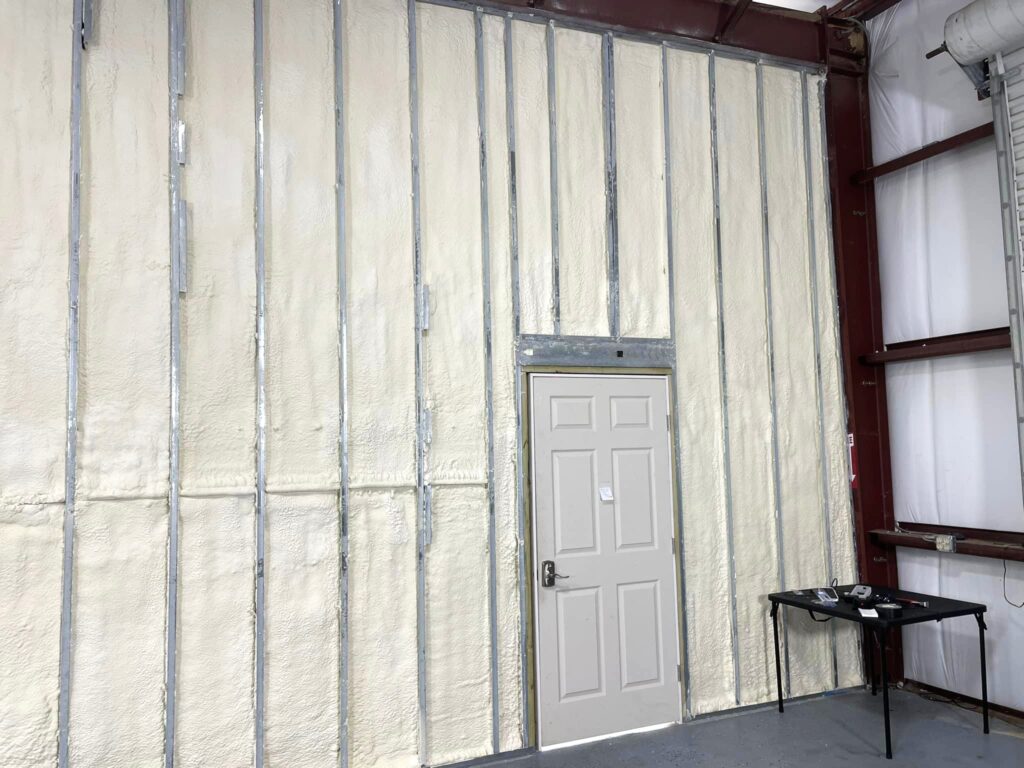
When it comes to spray foam insulation, many homeowners and builders have heard conflicting things about whether it can lead to mold problems. At Polyco Spray Foam, we hear this often from clients considering spray foam insulation in Baton Rouge. With our years of experience providing high-quality spray foam insulation services throughout Baton Rouge and surrounding areas, it’s time to separate fact from fiction and explain why, in most cases, spray foam insulation does not cause mold when installed correctly.
Understanding How Mold Grows
Mold isn’t some mysterious invader tied to specific materials — it’s a biological organism that needs three essential conditions to thrive: moisture, a food source, and the right temperature range. Building materials like wood, drywall, and insulation fibers can provide organic matter for mold spores to feed on if moisture is present. But the insulation itself isn’t the root cause. Problems arise when there’s unmanaged humidity or water infiltration in the home’s structure, not because of the spray foam itself.
How Spray Foam Actually Works
Spray foam insulation, including both open-cell and closed-cell varieties, is made from polyurethane materials that expand and harden after being applied. One of its biggest advantages is its ability to seal gaps, reduce air leakage, and minimize moisture transfer, which helps create a more stable indoor environment. When properly installed by professionals like the team at Polyco Spray Foam, it acts more like a moisture barrier than a catalyst for mold growth.
Closed-cell spray foam, in particular, not only insulates but also creates an effective vapor barrier that inhibits humid air from entering wall cavities or attic spaces. This is especially beneficial in humid climates like Baton Rouge, where moisture infiltration is a common concern. By sealing these pathways for moisture, closed-cell foam can dramatically reduce the conditions that would otherwise support mold growth.
The Myth: Spray Foam Causes Mold
The myth that spray foam insulation can cause mold primarily stems from misunderstandings about how moisture behaves in buildings. Improper installation — such as spraying foam on damp materials or sealing in existing moisture — can trap water where it shouldn’t be. If moisture is already present or if there’s a roof leak, condensation or trapped moisture can create an environment for mold growth — but this would happen with nearly any insulation material, not just spray foam.
Another source of confusion comes from situations where mold existed before insulation was applied. Spray foam doesn’t inherently eliminate existing mold, and spraying over mold without remediating underlying issues can hide or worsen a problem if the root cause — such as a water leak — isn’t fixed first.
Why Proper Installation Matters
The key to preventing mold is addressing moisture sources before insulation is installed. A professional installer will assess the building for leaks, humidity problems, and appropriate ventilation. Without this upfront work, any insulation project — not just spray foam — risks trapping humidity and allowing mold to develop.
At Polyco Spray Foam, we’ve built our reputation on precise application and expert assessment of building conditions to ensure that your home is well-sealed without creating moisture issues. Whether you choose open-cell or closed-cell foam, the goal is to create a comfortable, energy-efficient space that also supports healthy indoor air quality.
When Moisture Can Be an Issue
While correctly installed spray foam insulation isn’t a mold-causing product, moisture problems inside the structure still need attention. If a home has active leaks, poor drainage around the foundation, or inadequate ventilation, those issues should be resolved first. Otherwise, moisture can accumulate behind insulation and contribute to mold — not because of the foam, but because the underlying moisture problem wasn’t addressed.
That’s why our Baton Rouge spray foam team always starts with a thorough inspection. Solving moisture issues upfront not only protects your insulation investment but also bolsters the overall health and durability of your home.
The Bottom Line
Despite what some myths suggest, spray foam insulation — especially when done right — does not cause mold. In fact, because it reduces air leakage, controls moisture infiltration, and seals building envelopes, it can be a powerful tool in preventing the conditions that allow mold to thrive. The real factors behind mold are unmanaged moisture and humidity, not the insulation material itself.
If you’re considering spray foam insulation in Baton Rouge and want peace of mind that your home will stay comfortable, efficient, and mold-resistant, trust Polyco Spray Foam’s experienced professionals to deliver quality results. Contact us today for a consultation and let us help protect your home for years to come with insulation you can rely on.